Settings
Yumbo
  • Home
  • Recipes
  • Calendar
  • SeeFood
  • Health
  • Insights
  • Graphs
  • Vitamins
  • Weight
  • Activity
  • Socials
  • Social
  • Heroes
  • Battle
  • Achievements
  • Market
  • Subscription
  • About
  • About
  • Blog
...
©Yumbo 2026

Health

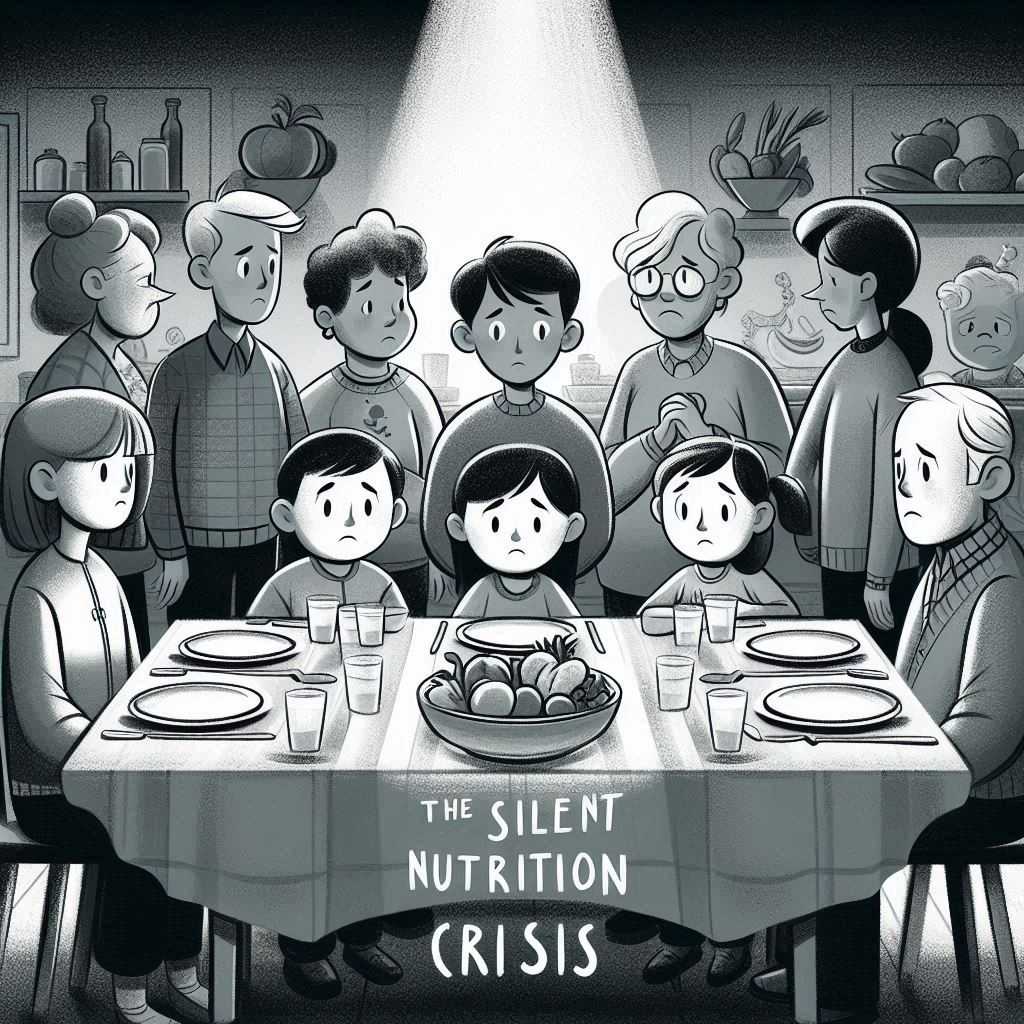
The silent nutrition crisis: what most Americans overlook

Many Americans lack key nutrients like fiber, potassium, & vitamins A, C, D, & E without realizing it. These deficiencies can slowly contribute to fatigue, chronic illness, & other health issues.

Aug 12, 20255 min read

In a world overflowing with food options, you'd think nutritional health would be a given, yet most Americans are unknowingly navigating a silent nutrition crisis1. The problem isn't just fast food or sugar. It's the quiet, everyday nutrient gaps that go unnoticed until they show up as fatigue, chronic illness, or accelerated aging.

According to recent surveys, more than 90% of Americans don't get enough essential nutrients like fiber2, potassium, magnesium, and vitamins A, C, D, and E3. These aren't "nice-to-haves". They're the building blocks for healthy muscles, strong bones, a resilient immune system, and optimal brain function. A diet heavy in processed foods can leave you "calorie-rich but nutrient-poor," which is like trying to build a house with plenty of bricks but no mortar: it simply won't hold up over time.

Symptomless, until it isn't

The tricky part? Many of these deficiencies are symptomless in the short term. You may feel fine today, but years of inadequate intake can silently erode your health. Bone density, for example, peaks in your 20s and 30s; without enough calcium and vitamin D early on, you're setting yourself up for osteoporosis later in life. Likewise, insufficient protein and omega-3s can make age-related muscle loss (sarcopenia) more severe, limiting mobility and independence in your later years.

As we age, our metabolism slows, taste preferences shift, and our body becomes less efficient at absorbing certain nutrients. That means the quality, not just the quantity, of what we eat matters more than ever. Prioritizing whole foods (fruits, vegetables, lean proteins, whole grains, and healthy fats) can help close these nutrient gaps. A regular snapshot of your eating habits, by tracking nutrient intake through an app, can make a huge difference in maintaining long-term health and avoiding nutritional gaps.

An investment in your future self

Nutrition is so much more than avoiding illness or reaching a goal weight. It's about building a stronger, more energetic version of yourself for decades to come. Think of every meal as an investment in your future self: the stronger your nutritional foundation today, the more vibrant, capable, and independent you'll be tomorrow. Changing nutrition habits now is much easier than battling disease later down the road.

Quest

5gold25 XP

Answer the question to earn the reward.

Which nutrition deficit can lead to osteoporosis?

References

  1. 1.lpi.oregonstate.edu https://lpi.oregonstate.edu/mic/micronutrient-inadequacies/overview
  2. 2.nutrition.org https://nutrition.org/most-americans-are-not-getting-enough-fiber-in-our-diets/
  3. 3.ods.od.nih.gov https://ods.od.nih.gov/factsheets/VitaminD-HealthProfessional/

Quest

5gold25 XP

Answer the question to earn the reward.

Which nutrition deficit can lead to osteoporosis?

Settings
Yumbo
  • Log in
  • Home
  • Recipes
  • About
  • About
  • Blog
...
©Yumbo 2026

Health

The silent nutrition crisis: what most Americans overlook

Many Americans lack key nutrients like fiber, potassium, & vitamins A, C, D, & E without realizing it. These deficiencies can slowly contribute to fatigue, chronic illness, & other health issues.

Aug 12, 20255 min read

In a world overflowing with food options, you'd think nutritional health would be a given, yet most Americans are unknowingly navigating a silent nutrition crisis1. The problem isn't just fast food or sugar. It's the quiet, everyday nutrient gaps that go unnoticed until they show up as fatigue, chronic illness, or accelerated aging.

According to recent surveys, more than 90% of Americans don't get enough essential nutrients like fiber2, potassium, magnesium, and vitamins A, C, D, and E3. These aren't "nice-to-haves". They're the building blocks for healthy muscles, strong bones, a resilient immune system, and optimal brain function. A diet heavy in processed foods can leave you "calorie-rich but nutrient-poor," which is like trying to build a house with plenty of bricks but no mortar: it simply won't hold up over time.

Symptomless, until it isn't

The tricky part? Many of these deficiencies are symptomless in the short term. You may feel fine today, but years of inadequate intake can silently erode your health. Bone density, for example, peaks in your 20s and 30s; without enough calcium and vitamin D early on, you're setting yourself up for osteoporosis later in life. Likewise, insufficient protein and omega-3s can make age-related muscle loss (sarcopenia) more severe, limiting mobility and independence in your later years.

As we age, our metabolism slows, taste preferences shift, and our body becomes less efficient at absorbing certain nutrients. That means the quality, not just the quantity, of what we eat matters more than ever. Prioritizing whole foods (fruits, vegetables, lean proteins, whole grains, and healthy fats) can help close these nutrient gaps. A regular snapshot of your eating habits, by tracking nutrient intake through an app, can make a huge difference in maintaining long-term health and avoiding nutritional gaps.

An investment in your future self

Nutrition is so much more than avoiding illness or reaching a goal weight. It's about building a stronger, more energetic version of yourself for decades to come. Think of every meal as an investment in your future self: the stronger your nutritional foundation today, the more vibrant, capable, and independent you'll be tomorrow. Changing nutrition habits now is much easier than battling disease later down the road.

Quest

5gold25 XP

Answer the question to earn the reward.

Which nutrition deficit can lead to osteoporosis?

References

  1. 1.lpi.oregonstate.edu https://lpi.oregonstate.edu/mic/micronutrient-inadequacies/overview
  2. 2.nutrition.org https://nutrition.org/most-americans-are-not-getting-enough-fiber-in-our-diets/
  3. 3.ods.od.nih.gov https://ods.od.nih.gov/factsheets/VitaminD-HealthProfessional/

Manage your appearance, notifications, and account preferences.

General
RIPRIP
2027

Advertisement

Advertisement

Advertisement

Advertisement

Advertisement

Advertisement

Manage your appearance, notifications, and account preferences.

General
RIPRIP
2027