Settings
Yumbo
  • Home
  • Recipes
  • Calendar
  • SeeFood
  • Health
  • Insights
  • Graphs
  • Vitamins
  • Weight
  • Activity
  • Socials
  • Social
  • Heroes
  • Battle
  • Achievements
  • Market
  • Subscription
  • About
  • About
  • Blog
...
©Yumbo 2026

Guide

Planning meals improves your nutrition

How deciding your meals ahead of time leads to better nutrition, less impulse eating and less stress.

Sep 25, 202510 min read

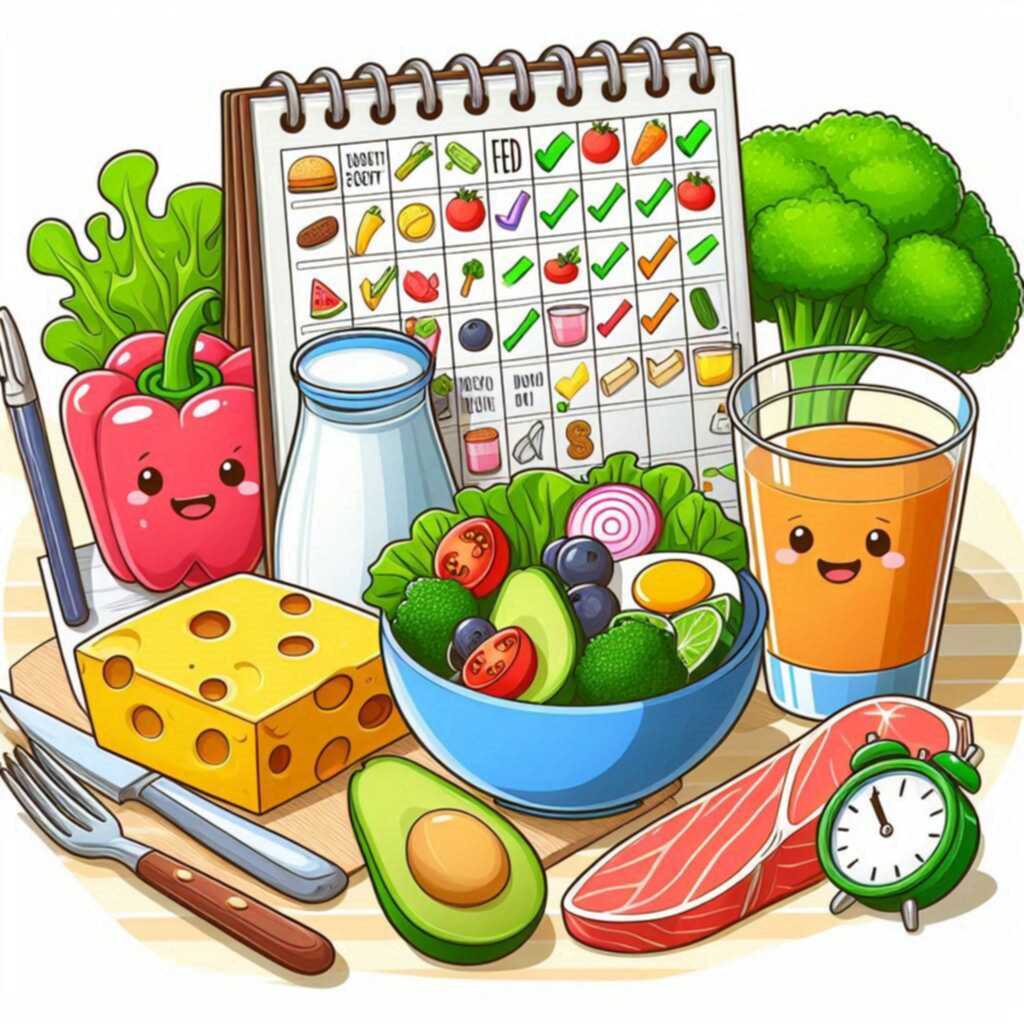
In today's fast-paced world, juggling work, family, and personal responsibilities can leave little time for thoughtful eating. Many of us end up grabbing quick, processed foods or skipping meals altogether, not because we want to, but because we didn't plan ahead. Meal planning isn't just about being organized; it's a powerful tool that can significantly improve your nutrition and overall health.

Better nutrition, one meal at a time

When you plan your meals ahead of time, you gain control over what you eat. Instead of reaching for fast food or pre-packaged snacks, you can make conscious decisions to include a variety of fruits, vegetables, whole grains, lean proteins, and healthy fats in your diet. This balance ensures you're getting the vitamins and minerals your body needs to function at its best.

Meal planning also helps you avoid nutritional gaps. Without a plan, it's easy to eat the same types of foods every day, missing out on key nutrients. A planned approach encourages variety and helps you cover all the essential food groups.

Reducing impulse eating

One of the biggest benefits of meal planning is that it reduces impulsive eating and unhealthy food choices. We've all been there: it's been a long day, you're famished, and you just want to eat anything to satisfy that hunger. When you're hungry and have no plan, it's tempting to grab whatever is most convenient, often high in sugar, salt, and unhealthy fats. Planning meals in advance reduces these last-minute decisions, which are rarely healthy.

Having healthy meals and snacks ready can also keep you from skipping meals or overeating later in the day due to extreme hunger. This is especially important for managing blood sugar levels and maintaining a healthy metabolism.

Saving time and stress

Contrary to what some believe, planning meals ahead saves time in the long run. With a weekly plan, you can shop once, prep ingredients in bulk, and spend less time each day wondering what to eat. This cuts down stress and removes the guesswork from mealtimes, making healthy eating more manageable and less overwhelming.

Supporting weight management goals

Meal planning can also support weight management goals. By deciding what and how much you will eat in advance, it becomes easier to control portion sizes and avoid unnecessary snacking. You're more likely to stick to a balanced diet and meet your caloric needs without going overboard.

Building better habits for long-term health

Perhaps the most important benefit of meal planning is how it builds healthy eating habits that last. When healthy choices become part of your routine, you're less likely to fall back into poor eating patterns. This consistency leads to long-term health improvements, such as better digestion, more energy, improved mood, and reduced risk of chronic diseases like diabetes and heart disease.

Final thoughts

Meal planning is more than a practical tool. It's a commitment to your health. It empowers you to eat with intention, make smarter food choices, and stay consistent with your nutrition goals. Whether you're aiming to lose weight, manage a health condition, or simply eat better, taking the time to plan your meals can lead to a healthier, more balanced life. Meal planning tools like Yumbo help you get ahead of your meals, rather than your meals getting ahead of you.

Quest

7gold2 📦60 XP

Answer the question to earn the reward.

What is the benefit?

Quest

7gold2 📦60 XP

Answer the question to earn the reward.

What is the benefit?

Settings
Yumbo
  • Log in
  • Home
  • Recipes
  • About
  • About
  • Blog
...
©Yumbo 2026

Guide

Planning meals improves your nutrition

How deciding your meals ahead of time leads to better nutrition, less impulse eating and less stress.

Sep 25, 202510 min read

In today's fast-paced world, juggling work, family, and personal responsibilities can leave little time for thoughtful eating. Many of us end up grabbing quick, processed foods or skipping meals altogether, not because we want to, but because we didn't plan ahead. Meal planning isn't just about being organized; it's a powerful tool that can significantly improve your nutrition and overall health.

Better nutrition, one meal at a time

When you plan your meals ahead of time, you gain control over what you eat. Instead of reaching for fast food or pre-packaged snacks, you can make conscious decisions to include a variety of fruits, vegetables, whole grains, lean proteins, and healthy fats in your diet. This balance ensures you're getting the vitamins and minerals your body needs to function at its best.

Meal planning also helps you avoid nutritional gaps. Without a plan, it's easy to eat the same types of foods every day, missing out on key nutrients. A planned approach encourages variety and helps you cover all the essential food groups.

Reducing impulse eating

One of the biggest benefits of meal planning is that it reduces impulsive eating and unhealthy food choices. We've all been there: it's been a long day, you're famished, and you just want to eat anything to satisfy that hunger. When you're hungry and have no plan, it's tempting to grab whatever is most convenient, often high in sugar, salt, and unhealthy fats. Planning meals in advance reduces these last-minute decisions, which are rarely healthy.

Having healthy meals and snacks ready can also keep you from skipping meals or overeating later in the day due to extreme hunger. This is especially important for managing blood sugar levels and maintaining a healthy metabolism.

Saving time and stress

Contrary to what some believe, planning meals ahead saves time in the long run. With a weekly plan, you can shop once, prep ingredients in bulk, and spend less time each day wondering what to eat. This cuts down stress and removes the guesswork from mealtimes, making healthy eating more manageable and less overwhelming.

Supporting weight management goals

Meal planning can also support weight management goals. By deciding what and how much you will eat in advance, it becomes easier to control portion sizes and avoid unnecessary snacking. You're more likely to stick to a balanced diet and meet your caloric needs without going overboard.

Building better habits for long-term health

Perhaps the most important benefit of meal planning is how it builds healthy eating habits that last. When healthy choices become part of your routine, you're less likely to fall back into poor eating patterns. This consistency leads to long-term health improvements, such as better digestion, more energy, improved mood, and reduced risk of chronic diseases like diabetes and heart disease.

Final thoughts

Meal planning is more than a practical tool. It's a commitment to your health. It empowers you to eat with intention, make smarter food choices, and stay consistent with your nutrition goals. Whether you're aiming to lose weight, manage a health condition, or simply eat better, taking the time to plan your meals can lead to a healthier, more balanced life. Meal planning tools like Yumbo help you get ahead of your meals, rather than your meals getting ahead of you.

Quest

7gold2 📦60 XP

Answer the question to earn the reward.

What is the benefit?

Manage your appearance, notifications, and account preferences.

General
RIPRIP
2027

Advertisement

Advertisement

Advertisement

Advertisement

Advertisement

Advertisement

Manage your appearance, notifications, and account preferences.

General
RIPRIP
2027